BRIDGES aims to promote sustainable career choices for students in remote areas, where limited opportunities and a focus on tourism-based careers restrict aspirations. By providing innovative tools, supporting educators, and fostering community engagement, the project empowers students to explore sustainable paths. Partnering with teachers & students in Greece, Italy, and Spain & leveraging NKUA’s expertise, the consortium seeks to develop a model that promotes sustainability and employability.
Implementation
Training Modules
Develop Training Modules for teachers, focusing on effective career counseling strategies and the use of digital tools
Career guidance portal
Create a comprehensive career guidance portal tailored to the needs of isolated communities
Hands-on visits
Facilitate hands-on visits that promote peer-to-peer support, engaging educators, students, and communities in developing sustainable career models
Workshops
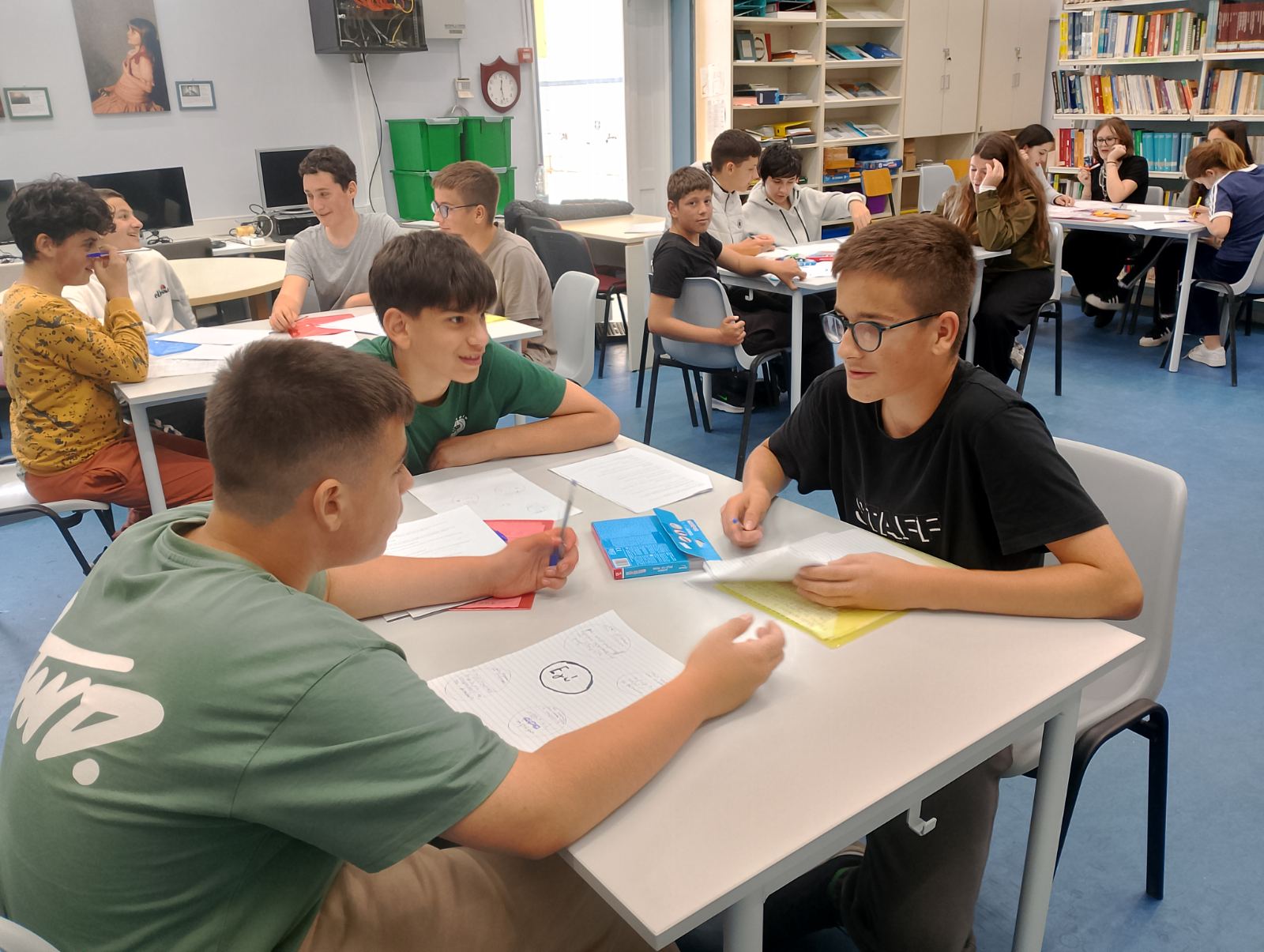
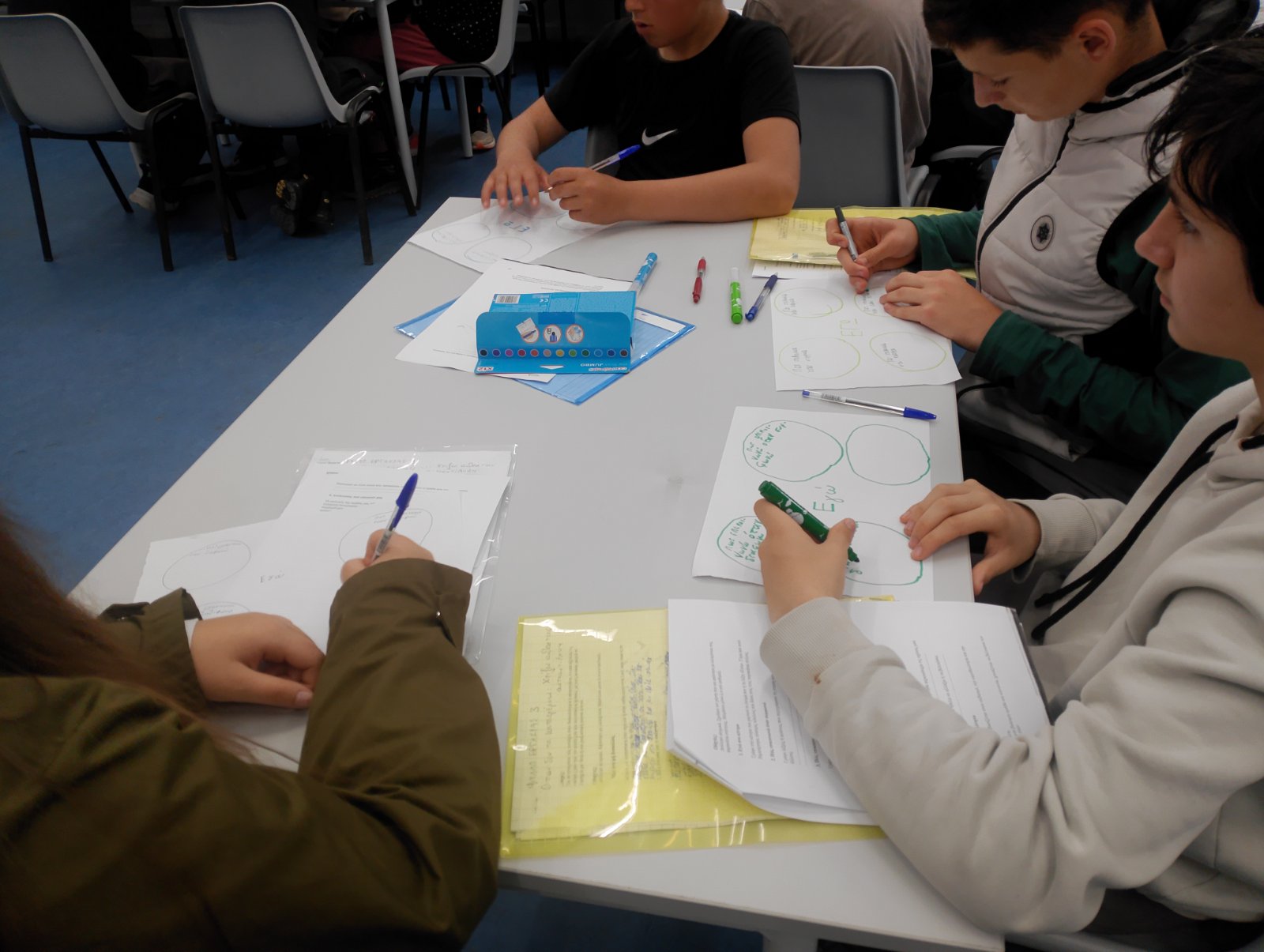
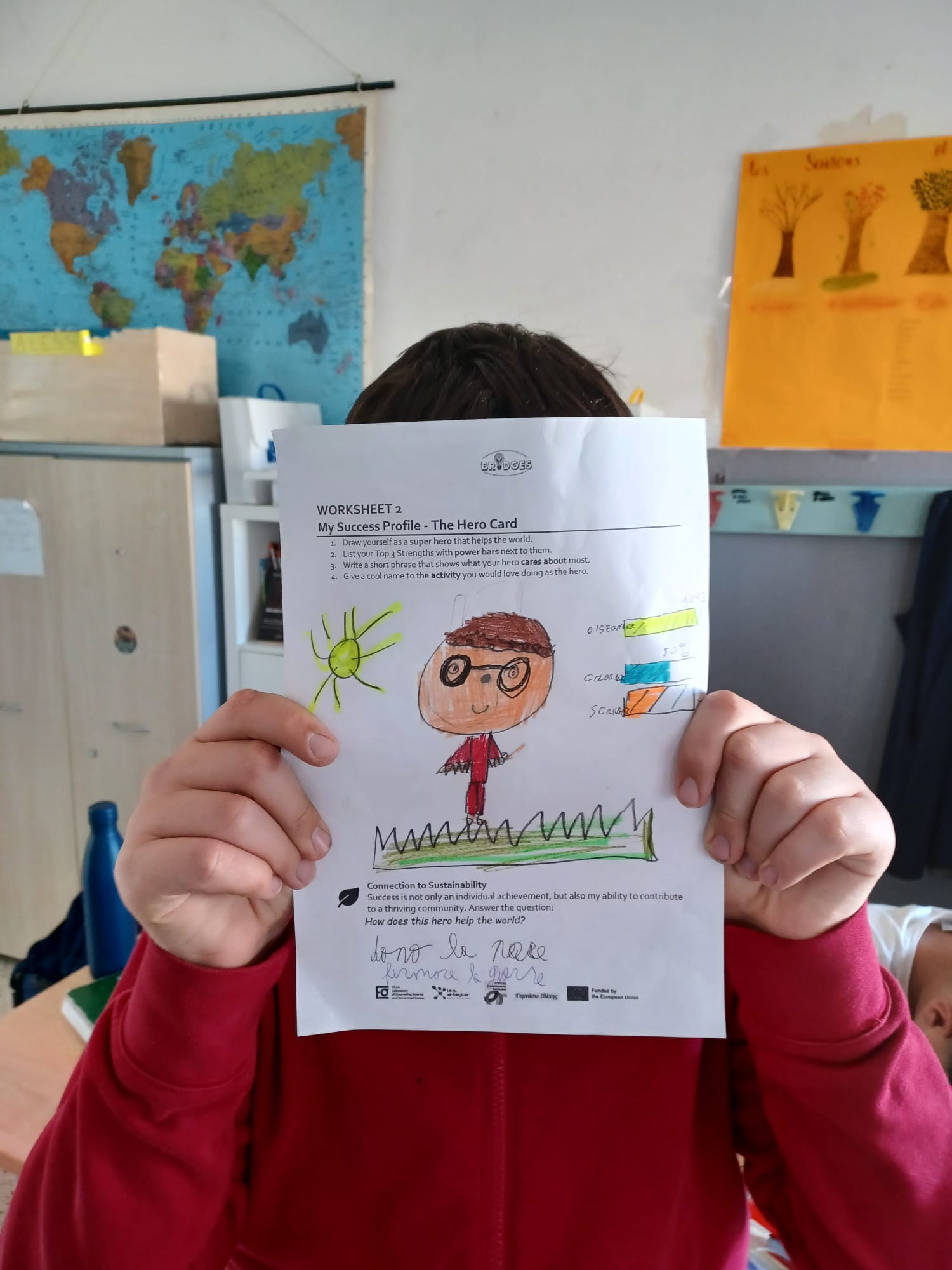
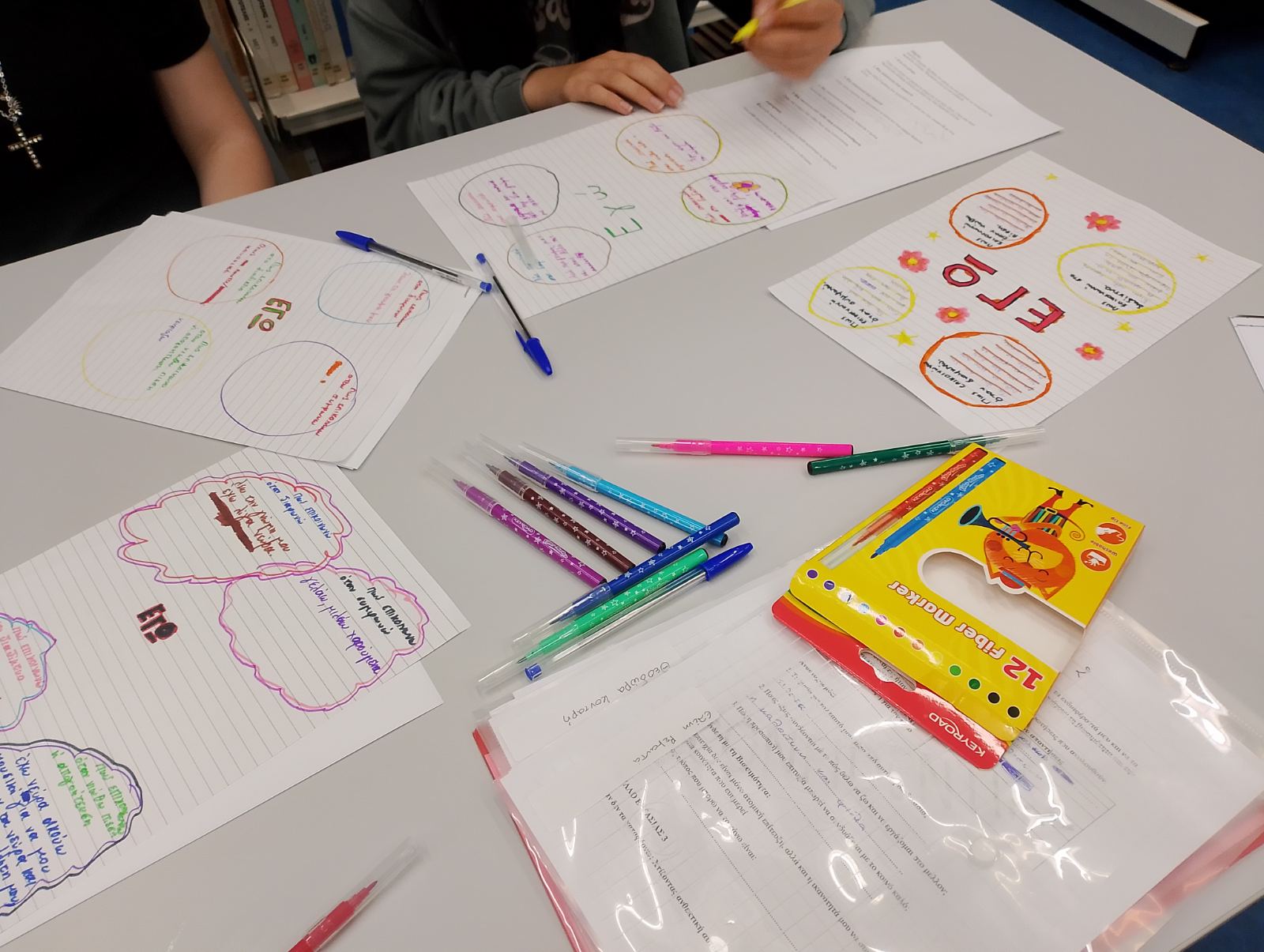
Conduct workshops to help students explore career opportunities beyond traditional industries
Results
Short-Term
Increased awareness among students of sustainable career opportunities
Enhanced skills among teachers and mentors to provide effective guidance
Accessible digital tools for career counseling
Long-Term
Improved career decision-making among young people in remote areas.
Strengthened educational networks for sustained support in career counseling.
Reduction in youth unemployment and reliance on limited career paths (e.g., tourism)
Shift towards sustainable career paths
Toolkit Objectives
Career Counceling Tool
Foster the development of a sustainable career counseling tool, to promote the career development of students, and prepare them towards sustainable career paths in remote areas of Europe
Educator Training
Pilot the career counseling tools by training educators in the use of these tools to enable them to prepare the group of students that will participate in the next step of the project (educational visits and mainstreaming the curricula in the semester course)
Consultative Approach
Promote a participatory and consultative approach in the development of activities and program models
Training Objectives
Active Learning
Promote active learning in sustainable development through the dissemination of knowledge and experience by educators and students collectively
Peer-to-Peer Learning
Encourage peer-to-peer learning and exchange of challenges and good practices among schools in Greece, Spain and Italy
Model adaptation
Adapt and test the program model to the local specificities of the participating organizations
MOBILITIES
Cross-border visits
Three (3) cross-boarder visits (Ithaki, Alcamo, Benalmádena) – Visits will last for 5 days and the agenda may include:
Day 1: welcome by the host school, icebreaking activities, and getting to know the students, the host students present cultural features, employment paths and particularities of their local growth
Day 2: visit to an educational institution that includes green and sustainable development issues as a topic of study
Day 3 & 4: visit to local Chambers of Commerce and to local businesses, experience good practices of sustainable entrepreneurship
Day 5: students from both schools will work together to develop innovative ideas for green entrepreneurship and sustainable employability
Hands-on exposure
By facilitating hands-on exposure to sustainability models, interactive peer learning, and localized adaptations of the program, activities directly contribute to active learning, peer-to-peer collaboration, and practical adaptation of sustainable career education models. These structured, experiential learning processes will ensure students and educators internalize sustainability principles, exchange meaningful insights, and refine career guidance methodologies that can be integrated into their schools and broader communities .
Visits to sustainable businesses in Greece, Italy, and Spain provide students with direct exposure to sustainable entrepreneurship, environmental conservation, and green career opportunities.
Discussions with local Chambers of Commerce in each location introduce students to regional economic models, sustainability-driven business strategies, and green job opportunities, reinforcing their understanding of sustainability economic dimensions.
Visits to the Universities of Palermo and Malaga expose students to higher education pathways in sustainability-related disciplines, increasing their awareness of future career and academic opportunities.
Through their joint visits, hands-on experiences, and reflective discussions, students will be active participants rather than passive learners, ensuring engagement and knowledge retention.
The process of experiencing sustainable initiatives firsthand and then presenting them to their peers upon return enhances both collaborative learning and dissemination of best practices.